The Dry Garden: How to Design for a Warming Hong Kong
In July 2025, Hong Kong recorded its hottest day in 140 years. The thermometer at the Observatory hit 36.6°C, and for forty-seven consecutive nights, the minimum temperature refused to dip…
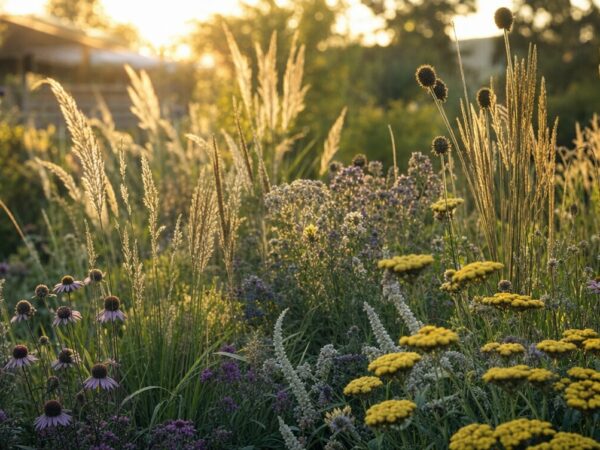
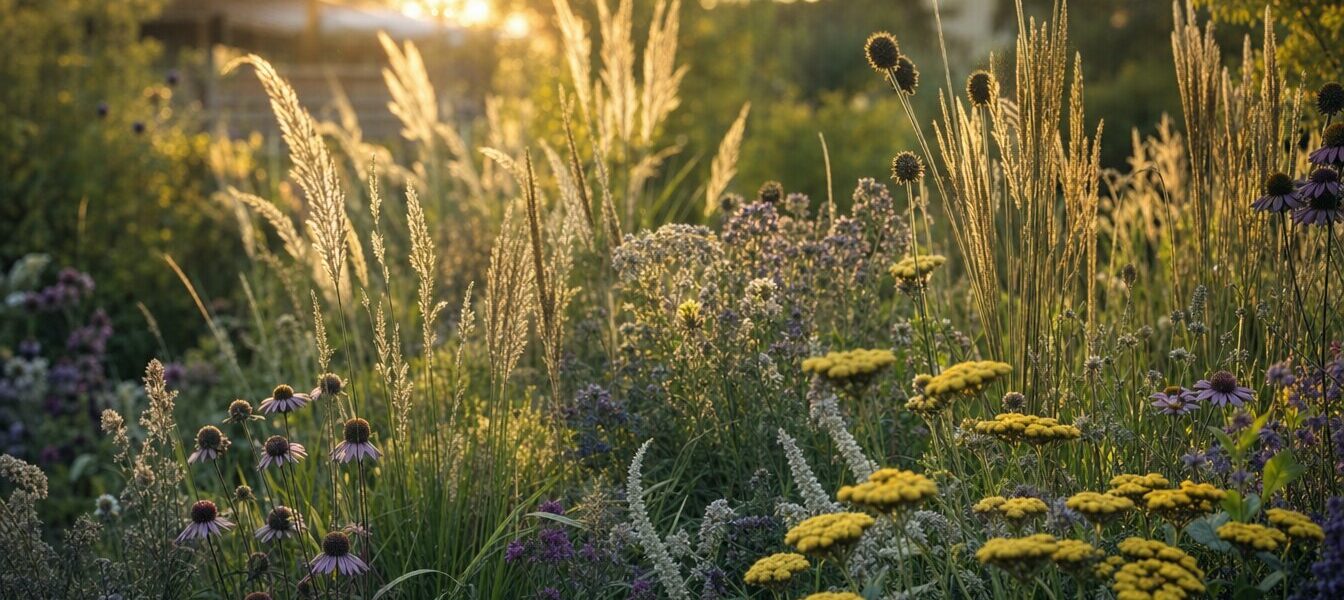
The Dutch plantsman who transformed garden design insists that a plant is only worth growing if it looks good when it is dead. Can his philosophy survive Hong Kong's six-month summer?
In July 2025, Hong Kong recorded its hottest day in 140 years. The thermometer at the Observatory hit 36.6°C, and for forty-seven consecutive nights, the minimum temperature refused to dip…
Plants — Photo: Unsplash Actaea simplex and the architecture of late summer crescendo The first cool evening of August sweeps into the garden like a premonition. The sun still warms…
Plants — Photo: Unsplash On the West Side of Manhattan, where the disused elevated railway meets the midsummer sky, a haze of bronze feathers rises three feet above the gravel.…
Plants — Photo: Unsplash The light in late January arrives sideways, a pale pewter that spills across frosted lawns and catches the pendulous heads of hellebores as though illuminating a…
Plants — Photo: Unsplash There is a particular quality of light in the second week of August that seems to bypass the eyes and land directly on the skin. The…
Plants — Photo: Unsplash On a sweltering July afternoon, when the air shimmers with heat and the garden’s earlier exuberance has begun to soften at the edges, one plant stands…
Attic Lifestyle is an editorial magazine for people who believe gardens are design projects and plants are living sculpture. We write about garden designers and their work, plants that earn their place, climate-smart gardening, and the pleasure of bringing nature indoors. Every story is grounded in real gardens, real people, and real horticultural knowledge.
— The Editors
Hong Kong's subtropical climate — hot, humid summers and mild winters — favours gardens built around tropical and subtropical species. Naturalistic perennial plantings adapted from the New Perennial Movement, using grasses like Miscanthus and flowering plants like Plumbago and Salvia leucantha, thrive here. The key is choosing plants that can handle the humidity without succumbing to fungal disease. Native gingers, ferns, and structural species like frangipani and bougainvillea form reliable backbones. For more, see our articles on garden design and garden profiles.
Start with weight. On a high-rise balcony, lightweight plastic pots blow over and dry out — invest in heavy terracotta or stone containers. Choose plants that do at least two things: a frangipani provides shade, fragrance, and winter structure. Add an automated drip-irrigation system (the single best investment for any balcony garden in the subtropics). Create a windbreak with bamboo or dense shrubs along the exposed edge. Our article A Rooftop Garden in Central walks through a complete 400-square-foot balcony transformation.
Winter (December–February) is for structural pruning — deciduous trees and shrubs are dormant and their architecture is visible. Summer (June–August) should be minimal: only deadhead spent flowers and remove diseased growth. Autumn (September–November) is the second major window — give summer-flowering shrubs like hibiscus and bougainvillea a hard cutback as the heat breaks. Spring-flowering shrubs (camellia, azalea) should be pruned immediately after blooming, never in winter. Our season-by-season pruning guide covers every detail.
For structure: frangipani, bougainvillea, and Miscanthus sinensis (Chinese silver grass). For flowers: Plumbago auriculata (flowers almost continuously), Ruellia simplex, and Lantana camara. For shade: native ferns, Aspidistra elatior (cast-iron plant), and Chlorophytum comosum (spider plant — much more architectural outdoors). These species need minimal intervention once established — occasional pruning, no special feeding, and they will outlast almost anything else you plant. Browse our Plants section for detailed profiles.
Three techniques. First: create a change of level — even a single step between two areas tricks the eye into reading them as distinct spaces. Second: use a curving path rather than a straight one; a path that disappears around a corner promises more garden beyond. Third: plant vertically — a climbing star jasmine on a wall covers three square metres in two years while consuming zero floor area. Our article Hardscaping First explains why paths, walls, and levels come before plants.
Curated guides to the finest florists in Hong Kong, Singapore, and Dubai — from an interior design perspective.
01
Eleven Singapore florists who are redefining what it means to bring nature indoors — from shophouse elegance to farm-to-vase authenticity.
02
Five Dubai florists creating botanical statements that stand equal to the interiors they inhabit — where flowers become architecture.
03
Ten Hong Kong florists whose work elevates interior spaces from merely furnished to truly composed. From architectural statements to romantic…